Just like radio, there are two types of ownership and they are Public Service and Commercial ownership but within the Television Industry. In the United Kingdom we have a Public Service TV ownership and this is with the BBC (British Broadcasting Corporation) just like radio. Also the public service ownership for TV is funded by television tax and that money is hen separated and sent to the different of the BBC such as Radio. In fact the public service radio sector of the BBC gets a total amount of 19% of the television tax and they end up getting £650m to fund all of their radio stations around the UK and Worldwide. And the public service TV ownership gets a total percentage of 66% leaving them £2,276b to fund all of their TV programmes such as EastEnders, and that leaves a total percentage of 15% to go to other areas such as the Internet and other authorities. Th amount of money the TV ownership gets is quite easy to understand because the license fee was originally for TV back in the day when there were only five channels which were BBC 1, 2, ITV, Channel 4 and Channel 5 and this is why the majority of the money goes to the public service TV ownership. The main TV show that used to make the most money for the BBC was a TV series called Top Gear, this show starred Jeremy Clarkson, Richard Hammond and James May. This was biggest money maker until worst went to worse when Jeremy Clarkson hit a BBC producer. Also the same as radio we own the public service TV ownership and the same authority's state with TV just like radio which are they have to educate, entertain and inform that is why they have news programme's etc but they have to include one or multiple of the three on all of their TV programme's that are shown by the BBC. And as the BBC do not advertise so in other words hey can't make money off of advertising they have to rely on the public to fund the BBC TV ownership by television tax and they also have to rely to the successions of the majority of heir TV shows so they can make money off of it such as Top Gear in the past. And if they do not entertain everyone from every demographic profile there will be serious debate's and riots about shutting down the BBC. Also the BBC have to be non-biased because they are public service and we fund them. However some people say that the BBC are more left wing and talk more about them so they get more support and people on their side, however could cause more people to riot etc about the BBC. All of the BBC's television and radio stations have a public service remit.
Therefore television and radio are not the only ways e BBC can make money, they can also create internet content so they can make a bit of money off of is by broadcasting online and On-Demand streaming that they show on iPlayer and on iPlayer the public are able to watch TV programmes that they may have missed etc. However it only shows programme's that have been on in the past 30 days and it allows people to pick up these programmes on a lot of different technologies such as a laptop or a smartphone. There is also a total amount of 10% that goes to the internet sector of the BBC and his gives them enough money to fund everything the BBC has on the internet such as iPlayer. Despite the fact the BBC are only funded by license fee they can make money off of voluntary donations or funding by the state.
There are also different types of ownership within the television industry such as Commercial ownership and this is the opposite to public service. Also the majority of commercial ownership company's are privatized such as ITV. Commercial ownership is extremely opposite or different in comparison to public service ownership because public service is funded by the license fee and commercial ownership is funded by advertisement from different companies asking commercial ownership companies to advertise their product and ITV as an example will charge a specific amount depending on how popular one of their specific channels are. However commercial ownership's can also rely on internal methods such as competitions and voluntary donations that they will use to fund all of their channels. ITV is the biggest competitor towards the BBC because they also attract a big audience and they do not have to aim their shows at certain people although the might want to, to attract more people to watch a programme on a ITV channel. The ITV (Independent Television) corporation has grown outstandingly throughout these past few years because they are broadcasted in other countries and they are making their audience a lot bigger and attracting more people to watch TV show's on ITV. The independent television company is also one of the biggest Commercial broadcasters in the United Kingdom. In my conclusion I think ITV is a great competitor up against the BBC because they are making a lot of money and also educating, informing and entertaining a lot of people with the shows that they show on ITV.
Some of the biggest Media companies on this planet take the name as a Media Conglomerate. A conglomerate is one big company that owns many small companies under the one name to form a Media Conglomerate as an example. An example of one of the biggest conglomerates on this planet is called News Corporation. News Corporation is run by one of the biggest names in the Media industry and his name is, Rupert Murdoch. Rupert Murdoch (News Corporation) runs some of the biggest news companies or corporations around the world such as News Limited which is also known as News Corp Australia which is run by Lachlan Murdoch but owned by News Corporation. News limited are also one of the biggest Media Corporations in Australia. In the past News Corporation used to just focus on news papers and publishing them to the Australian public but as years went by Rupert Murdoch made his company much bigger to make it into a Media Conglomerate. And now they do a lot more than publishing news papers and the things they create now are; news papers, magazine publishing, internet, subscription television, market research, DVD, Blu-ray, Sport, Film distribution and film and television production as well trading assets with other companies. As I said before Rupert Murdoch owns all of these things things and makes a lot of money because he is one of the key icons in the Media industry. News Limited (News Corp Australia) also own two of the biggest selling newspapers in the United Kingdom and them two news papers are called The Sun and The Times. In fact this gives Rupert Murdoch (News Corporation) a lot more power around the world because if the British public are buying these newspapers they will more than likely believe the articles that are put on the news paper and some of these things might not be true. And probably 50% that buy the news paper will believe it. The Sun and The Times are the biggest sellers in the UK because they both attract high demographic people and low demographic people so on the other hand each individual news paper out of the two is getting bigger and bigger. However this one man (Rupert Murdoch) could abuse the power of News Corporation and make people believe more and more stuff that News Corporation might show on TV or in the news papers. They are able to do this because they own a total amount of 48% of BSkyB and overall they own the majority of most major aspects in the Media Industry in some countries around the world such as the UK, Australia etc.
News Corporation is mainly commonly known as a Media Conglomerate however technically they are know as a Cross-Media Conglomerate because they control a small or large bit of near enough every aspect of Media such as news papers, TV etc. News Corporation also own a lot of smaller companies that are within News Corporation and the three main ones are News Limited, that own The Sun, The Times, The Sunday Times and TLS. They also own BSkyB (48%) and they also own 21st Century Fox that did buy out 20th Century Fox. And they own multiple other companies that own slight aspects of the Media. The News Corporation is also responsible for some of the biggest film franchises such as Star Wars and X-Men. Also the News Corporation also own 10% of ITV and in fact this is one of the biggest Commercial broadcasters in the United Kingdom. There are a total amount of six major Media Conglomerates and these companies are; News Corporation, Disney, Comcast, Timewarner, Viacom and CBS Corporation. These six Media Conglomerates all together own a total amount of 90% of the Media all around the world. In my opinion I think Rupert Murdoch's (News Corporations) biggest competitor is Disney that was founded by Roy O Disney and Walt Disney. Some of the small companies Disney owns are Marvel Studios, Pixar etc. However in my opinion I think it is a bit scary o think the six big companies own 90% of the Media it's self and no one can compete with them except each other. And these six companies can make us believe things that might not even be true. And I think these six companies will just continue to grow and compete with each other to get to the biggest Cross-Media Conglomerate in the world. The companies such as the big six also get to choose what to air on specific programme's and some of the information may not be true. An example of this is off of a Fox News episode that is owned by News Corporation and they had chosen to publish this un-true information about the United Kingdom in some towns within the UK. Some of the information used in this Fox News episode may discriminate or harm some religions such as the Muslim religion. As an example News Corporation could start propaganda against a certain ethnicity with a fake news story. A Fox News episode story with fake information, this clip includes fake information that states Birmingham is all Muslim and are no go zones:
The film studios are now owned by Conglomerates which means that Producers are more able to control all aspects of production, exhibition and distribution. Producers are able to do this because they either work under Vertical or Horizontal Integration. When a company expands it's business to try and make it a lot bigger in specific areas that are on the same production path. Such as when a manufacturer company owns suppliers and distributors. Film studios are organised kind of like this because they need distributors to get the film into the cinemas etc. Some of the advantages if company's use Vertical Integration are it can help companies reduce costs and improve efficiency by decreasing transportation expenses. And there are many more Advantages other than the two stated before this sentence. However there are some things that will be better with Horizontal Integration and some of these things are; it is more effective to rely on another companies expertise and economies. There are also two types of Vertical Integration and the two types of Integration are backward and forward integration. A company that expands backwards on the production path is classed as backward integration and a company that expands forwards on the production path is classed as forward integration. A brief sentence or two to describe a Vertically Integrated company is it does everything by it's self on more than one level. An example of one of the most famous Vertically Integrated company is Apple inc. They distribute, produce and supply etc all of their Apple products to the public. And Apple it's self collect all of the money and it also does not have to distribute it too another company that they might be working with and this on the other hand is another advantage of a Vertically Integrated company. To conclude my paragraph about vertical integration I think Vertically Integrated companies work well on tier own however it is a lot harder to make the company bigger and stronger because there is only one company in power and not multiple so they can attract more people.
Now I will move on to talk about the second form of Integration which is Horizontal Integration. Within Horizontal Integration a company will mainly work with another one that specify's in a different industry so they get a lot more expertise in specific industry's. By doing this they will have a better understanding it at least two different industry's so they can sell their product a lot better. Also a difference between Vertical Integration & Horizontal Integration is that Horizontal Integration uses either internal or external expansion where as Vertical Integration uses backwards or forwards expansion. They are able to use either external or internal expansion because the different firms are at the same stage of production so on the other hand it allows them to share resources if they are at the same level of production. However if products offered by specific companies are similar it is classed as a merger of competitors. In other words if the producers of a good company were to merge with another company in the same industry so they know similar things it is called Lateral Integration. Horizontal Integration also also can offer several advantages such as favorable economies, increased market power and reduction in the costs of international trade by operating in foreign markets. By having this much power is markets as an example it will be much easier for the companies to sell the film to the cinemas because of all of the supply's they could have got from international trade. Horizontal Integration is also in contrast with Vertical Integration what I mean by this is when firms expand into different activities, commonly known as upstream or downstream activities. In my overall conclusion I think both Vertical & Horizontal Integration work hard to sell their product or film and most of the time they are successful and the different types of Integration use different methods to sell the product etc. However in my opinion I think Vertically Integrated companies are better because they don't have to have a meeting with a different company to see if everyone agree's with the idea that a specific company want to apply to the product or film.
Currently there are two types of ways to watch TV in today's society and they are Free To Air and Subscription Based Television Packages such as Sky. Free to air television stations refer to the five major United Kingdom based channels being BBC 1, BBC 2, ITV, Channel 4 and Channel 5. In order to receive these five channels that were used in the past when TV first came out you need a standard TV that can receive Terrestrial signals. These signals are still flying through the air because they are broadcasted to people that live in fairly or quite corrupt areas. Therefore on the other hand their is another type of Free-view and that is Digital Free-view. Digital Free-view includes channels for free such as ITV 2, ITV 3, ITV 4, BBC 3, BBC 4, E4, More4, 4seven, Dave, 5USA and many more. The public are aloud to view TV shows shown on multiple channels on Digital Free-view for free. However they still have to pay the Television Tax that goes to the BBC. Therefore the only time people don't have to pay for it if they have a TV but don't watch any channels. The majority of people will choose to use Free-view because it is free and if you have a subscription box such as Sky, BT or Virgin you can pay in many ways such as monthly, yearly and so on. Also if someone was going to pay for a Subscription package they will need a digital set-up box in order to watch channels on Sky etc. Also in fact Free-view surprisingly is the only Free To Air service within the United Kingdom and Free-view is delivered by a company by DTV services.
But the opposite or competitor against Free-view is the subscription package services. An example of some subscription packages could include Sky, BT and Virgin. Also with subscription packages it offers a lot more channels to the public so they can watch a lot more. An example such as Sky added so many channels to their subscription package so more people will want to buy it. Within all of their channels they show sport programme's, films and many other entertainment channels or categories. Also a benefit with subscription packages is that it will allow people to watch the channels they want to pay for so on the other hand they could save quite a lot of money if they were to buy the Sky subscription package. An example of this could be if someone really liked to watch films but didn't particularly like to watch sport the particular person will more than likely choose to pay for the movie subscription package instead of sport. In the United Kingdom the two biggest subscription packages are Virgin Media and Sky and after this comes BT Vision. Also with the subscription services there are over 200 channels and some of these channels can be found on Free-view TV such as some BBC channels but their are also channels that cannot be found on Free-view such as Sky Sport or Movies. Also to try and drive the public to buy their subscription box such as Virgin Media they won't include channels such as Sky Atlantic they will use different one's that show different TV channels that might play a different genre. So on the other hand at the end of the day it comes to they public on what genre's they might want to watch with their subscription package. However some subscription packages such as Sky use On Demand and On Demand near enough includes every genre of TV shows and Films so an audience might be attracted too buy the Sky subscription package, but again the public will have to pay for On Demand so they can watch whatever they want. In my conclusion I think it is totally up to the public if they want to buy a subscription package or if they just want to stick with Free-view TV. However it also depends if some people have enough money to afford subscription packages by paying for it monthly etc.
In today's society there are thousands of television shows being broadcasted daily and the majority of them are at the peak of their performance as they are able to attract thousands or even millions of people to watch their television show. And some of the time they get most of these viewers off of online streaming services such as Netflix. However it is not only online streaming services that get television because the majority in my opinion is from Subscription and Free To Air television packages. In my opinion I think this is true because together they broadcast thousands of TV shows daily. But it all comes down to the producers opinion on whether if they want to make he viewers wait weekly for a new show or watch it all at once if they put it on Netflix as an example. But after this they have to choose to sell their TV show as an example and they can choose to use either these different types of sales; Programme Sales, International Sales, Spin-Offs And Franchising.
In this paragraph I am going to talk about Programme Sales. Programme Sales are tend to sell nationally to corporations such as the ABC. But they are also able to use Programme Sales with corporations that broadcast in the same country such as the BBC and ITV. The BBC is the biggest Public Service broadcaster in the United Kingdom and ITV is the biggest Commercial broadcaster in the United Kingdom. As they are allowed to sell nationally they will be able to extend there audience massively and make a lot more money in different countries off of corporations such as the ABC The American Broadcasting Corporation. In my opinion Programme Sales is a good sales plan because they are able o extend their audience in a more efficient way by selling the programme to a different corporation in a different country as an example. And then after this there is International Sales and this sale plan is almost the opposite to Programme Sales. International sales do not sell nationally, instead they sell to corporations overseas. An example of a corporation overseas could be the ABC (Australian Broadcasting Corporation). This on the other hand is Australia's public service corporation but this on the other hand is not as good as the United Kingdom's which is the BBC (British Broadcasting Corporation). Also as the Australian Broadcasting Corporation is not as good as the BBC the ABC are able to get some of their funding off of advertising. Also the ABC are also allowed to buy programme's off of corporations in different countries and it does not matter if they use a Programme Sale or an International Sale to get the product or TV show idea over to them so they can start producing it. But they also create some of their own shows as well, however it is easier for the ABC as an example to buy cheap and reliable TV ideas that will more than likely make them money.
The definition of a Spin-Off is the creation of an independent company through the sale or even the distribution of new shares of an existing business of a parent company. A Spin-Off is classed as a type of divestiture. Spin-Offs are also a common occurrence within the United Kingdom etc. A corporation as an example the BBC (British Broadcasting Corporation) creates a Spin-Off by distributing 100% of it's ownership interest in that business. An advantage of a Spin-Off is that Spin-Offs tend to increase returns for shareholders because the newly independent companies can focus on their specific products or services. However their are some downsides to Spin-Offs such as their share prices can change rapidly and they can also tend to under perform in weak markets but however they will be able to outperform other products in stronger markets. Also some shareholders might not want the shares of the spin-off because on the other hand it may not math their investment criteria for the product etc. An example of a Spin-Off could be agent of shield or Joey out of Friends.
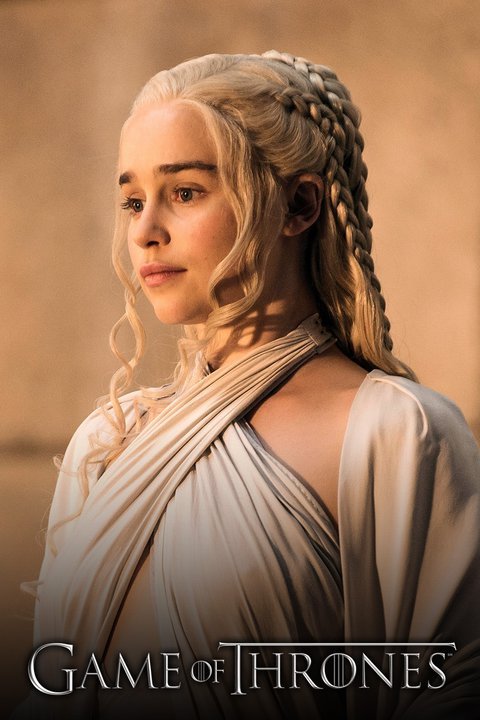
The definition of media franchising is a collection of media aspects in multiple forms such as film, television, literature, journalism etc. Franchising is a form of business by which the owner of the product, service or method obtains distribution through multiple dealers. An example of a television franchise could be these few TV series; Game Of Thrones and The Walking Dead. I used these two as example's because these on the other hand are seen as the biggest TV series known to date as they attract millions of people to watch there TV series. In my opinion out of the two I think Game Of Thrones is the biggest TV franchise because they have a book that the public can buy etc. So on the other hand Game Of Thrones makes a lot of money from multiple different Media aspects so it is classed as a Franchise. This is also classed as a major advantage for a media franchise because they can make money from multiple different aspects. So on the other hand they will be able to improve their TV series with the money that they hold to pay for equipment etc. Also Game Of Thrones is also screened on Sky Atlantic and this cannot be accessed with a Virgin box etc. So they are also bringing people to buy a Sky subscription package so they can watch the TV series Game Of Thrones. Another example of a media franchise could be the Marvel series because they started off on comic books and they are now making films based off of the books as well as TV series such as Daredevil that was recently released. So on the other hand these are also a huge media franchise to date as they entertain millions of the public in all aspects. But the best film series they have released up to date is The Avengers because it includes multiple marvel characters at once and it isn't only based on one character so it will attract more of an audience if Marvel include some of their favorite characters as an example.
Throughout the past years there has been multiple advances in technology, some a lot more identified in history because they could of helped companies and society a lot more as an example. One of the most famous advances in technology that happened years ago was when the Analogue TV first came out. The analogue TV received pictures on screen by varying signal voltage and radio frequencies. The video signal of analogue television is transmitted in the AM frequency and the audio for the picture displayed on the screen is transmitted throughout FM frequency. In the past Analogue TV was seen as a great invention, however analogue TV transmissions are subjected to interference so on the other hand the pictures on screen could buffer and this would be a major disadvantage for the TV. Some of these buffers may be caused by cable connection or ghosting as an example. However this fact can also sometimes depend on how far geographical location is because if it is further away from the transmitting signal it will have a bigger chance of buffering. Also analogue TV signals are transmitted in a specific interlaced format. Interlaced format's directly specify the field rate of a specific transmitting signal. In an interlaced format they can transmit very few lines or a lot of lines in a transmitting signal this on the other can tell if it is a Interlaced or Non-interlaced format.
As quite a lot of problems were identified about analogue television quite a lot of people wanted to advance this technology so it could keep up with all of the other technologies around us such as new radio technologies that had been introduced. In the end they ended up advancing it too a Digital Television or a Digital Signal but in order to receive the pubic needed a specific TV because the Digital TV could only receive Digital Signals and these signals were formatted in a completely different way compared to Analogue. On the other hand Digital Signals allowed the public to see a better picture on TV and the Audio was also a hell of a lot better than Analogue so this soon grown to be a great advancement in technology. So on the other hand the Digital TV modern technology was seen as the best thing yet for it gave the public a great movie quality and sound quality. Also when colour was introduced to TV in the 1950's this was also a great advancement in technology because it got rid of black & white and it also made Digital TV seem a lot better because it gave a great quality picture with colours included. But still in today's society analogue signals are still broadcasted for people with analogue TV's etc. So if they cannot afford a Digital TV they still watch TV off of a Analogue TV. Digital signals are also used in the majority of countries around the planet Earth because they also released it is a great advancement in technology.
To conclude my two paragraphs about Advancements In Technology I think the modern technology Digital Television is far more better than Analogue as stated in the paragraphs above. However Digital Signals can still be interfered by a lot more advanced technologies, so on the other hand the pictures can still buffer due to technologies, weather etc. Therefore I think technology will just get a lot more advanced and people in the future will look back and think Digital was not that good. And just as a little add on the switch over from analogue to digital was completed in October 2012 and there are many forms of Digital Television such as DVB (Digital Video Broadcasting).
As years and years go by creative people come up with some of the greatest inventions, and then eventually they will soon become an emerging technology so the public can see and use a specific technology that someone has created. An example of a technology that emerged in the past is a technology called On Demand. On Demand is used by Sky etc. A subscription company such as Sky uses On Demand because it allows the public to watch TV series that they may not have seen and it also allows them to watch some Films as well as TV shows. Also with Sky you have to put in a pin code to watch adult contemporary programme's so this again is an emerging technology after the watershed. In my opinion I think On Demand is a good technology because it is a great form of entertainment to the public because it includes near enough every genre inside of On Demand so the public can watch what they want when they want depending on what mood they are in. However it is also quite easy for children to access the pin code for Sky, so on the other hand this will be a slight disadvantage for On Demand because children could be watching adult contemporary programme's. So the watershed would seem good because all adult contemporary programme's are shown after 21:00pm. In my conclusion I think all new emerging technologies will have both advantages and disadvantages and I also think no technology will have only advantages or will be just great.
Ofcom (The Office Of Communications) are one of the biggest regulatory bodies for television within the United Kingdom and around the world. The Office Of Communications supervise television broadcasting and what I mean by this is they make sure all of the ownership's such as the BBC (British Broadcasting Corporation) and ITV (Independent Television) don't air content that is against their regulation with Ofcom. Ofcom also make sure that every show the BBC screen as an example is at it's maximum quality and it is full professional content. In my opinion I think they do this because if a BBC episode isn't that great there could multiple or hundreds of complaints left on Ofcom's website about a specific episode. The Office Of Communications use the broadcasting code to analyze TV shows. They kind of use it as a rule book to help enforce their rules and television standards to specific ownership's. The broadcasting code exists to protect both viewers and listeners from harmful and imitating programme's that may teach young children to do bad things in society. However Ofcom also give producers the freedom to create some imitating programme's that might be very scary, therefore on the other hand most of the Ofcom's code is about protecting children because they think that is the most important thing and in my opinion I think the same way. And this is why Sky created a pin code to access some programme's that might be imitating and there is also a Watershed that starts at 21:00pm. Ofcom are also the one's that collect the complaints that have come in about specific TV shows screened by off of either public or commercial ownership's an example of this could be the Jamica Inn shown by the BBC again in 2014. Complaint's can be left on Ofcom like audio or quality complaints the public can also leave complaints about the acting on how it is so bad. Maybe because people cannot understand what a specific actor or actress is saying. Also Ofcom look for shows that might offend a certain religion or ethnicity, by doing this this can protect more under eighteen year old that might imitate something that is shown on TV such as racism. To conclude this I think one of the main things Ofcom does is try their hardest to protect under eighteen year old's from imitating programme's and my evidence for this is they have a whole section in the broadcasting code book which is called "Protecting the under eighteens".
 Just like radio, there are two types of ownership and they are Public Service and Commercial ownership but within the Television Industry. In the United Kingdom we have a Public Service TV ownership and this is with the BBC (British Broadcasting Corporation) just like radio. Also the public service ownership for TV is funded by television tax and that money is hen separated and sent to the different of the BBC such as Radio. In fact the public service radio sector of the BBC gets a total amount of 19% of the television tax and they end up getting £650m to fund all of their radio stations around the UK and Worldwide. And the public service TV ownership gets a total percentage of 66% leaving them £2,276b to fund all of their TV programmes such as EastEnders, and that leaves a total percentage of 15% to go to other areas such as the Internet and other authorities. Th amount of money the TV ownership gets is quite easy to understand because the license fee was originally for TV back in the day when there were only five channels which were BBC 1, 2, ITV, Channel 4 and Channel 5 and this is why the majority of the money goes to the public service TV ownership. The main TV show that used to make the most money for the BBC was a TV series called Top Gear, this show starred Jeremy Clarkson, Richard Hammond and James May. This was biggest money maker until worst went to worse when Jeremy Clarkson hit a BBC producer. Also the same as radio we own the public service TV ownership and the same authority's state with TV just like radio which are they have to educate, entertain and inform that is why they have news programme's etc but they have to include one or multiple of the three on all of their TV programme's that are shown by the BBC. And as the BBC do not advertise so in other words hey can't make money off of advertising they have to rely on the public to fund the BBC TV ownership by television tax and they also have to rely to the successions of the majority of heir TV shows so they can make money off of it such as Top Gear in the past. And if they do not entertain everyone from every demographic profile there will be serious debate's and riots about shutting down the BBC. Also the BBC have to be non-biased because they are public service and we fund them. However some people say that the BBC are more left wing and talk more about them so they get more support and people on their side, however could cause more people to riot etc about the BBC. All of the BBC's television and radio stations have a public service remit.
 There are also different types of ownership within the television industry such as Commercial ownership and this is the opposite to public service. Also the majority of commercial ownership company's are privatized such as ITV. Commercial ownership is extremely opposite or different in comparison to public service ownership because public service is funded by the license fee and commercial ownership is funded by advertisement from different companies asking commercial ownership companies to advertise their product and ITV as an example will charge a specific amount depending on how popular one of their specific channels are. However commercial ownership's can also rely on internal methods such as competitions and voluntary donations that they will use to fund all of their channels. ITV is the biggest competitor towards the BBC because they also attract a big audience and they do not have to aim their shows at certain people although the might want to, to attract more people to watch a programme on a ITV channel. The ITV (Independent Television) corporation has grown outstandingly throughout these past few years because they are broadcasted in other countries and they are making their audience a lot bigger and attracting more people to watch TV show's on ITV. The independent television company is also one of the biggest Commercial broadcasters in the United Kingdom. In my conclusion I think ITV is a great competitor up against the BBC because they are making a lot of money and also educating, informing and entertaining a lot of people with the shows that they show on ITV.



_logo.png)
